
AluminumProfiles for Curtain Wall Systems
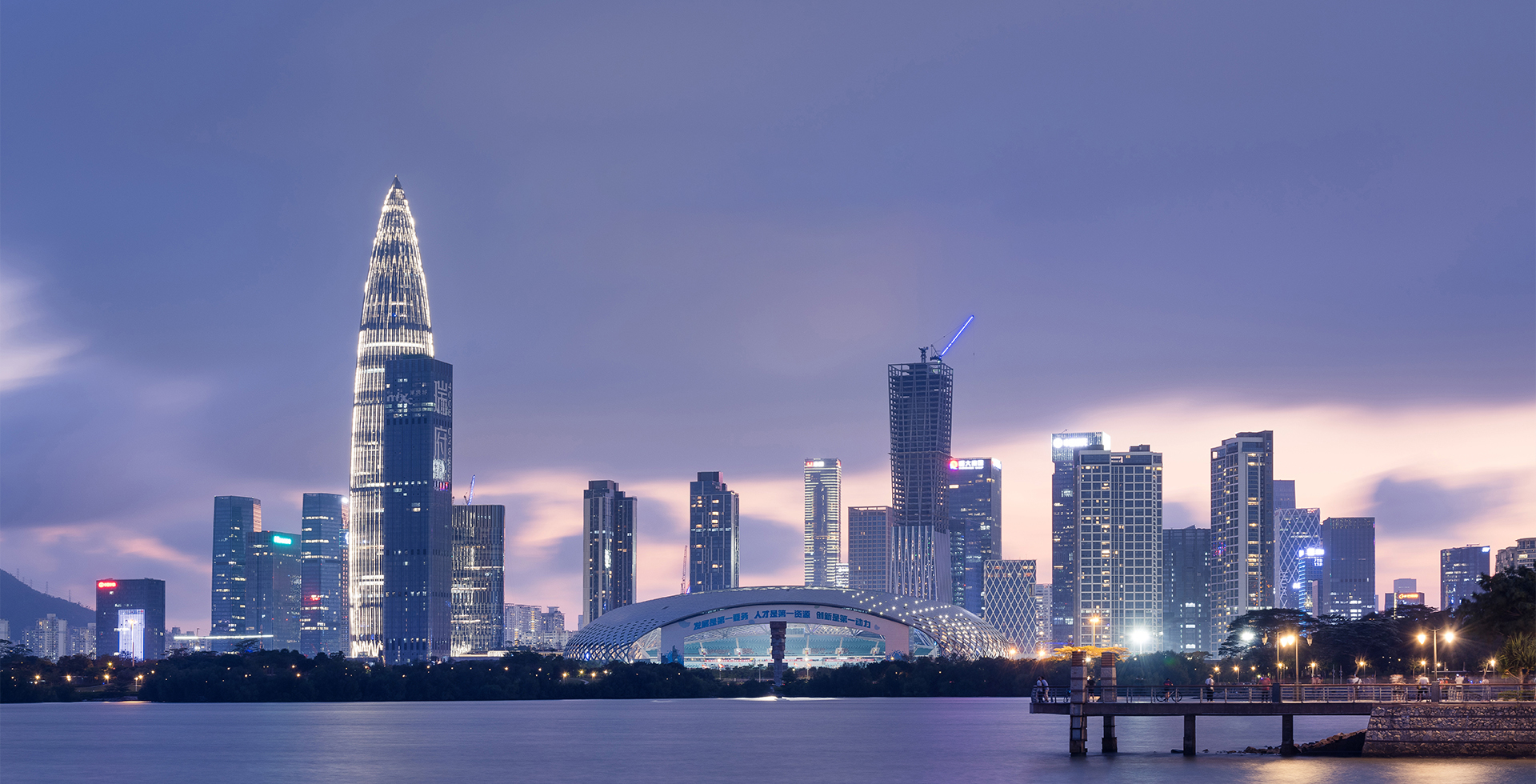
Curtain wall systems have become a defining feature of modern architecture. From commercial office towers to large shopping centers and high-rise residential buildings, aluminum curtain wall systems are widely used to create elegant, energy-efficient, and durable building façades.
Aluminum extrusion profiles provide the structural framework required for curtain wall construction. Thanks to their high strength, lightweight characteristics, and excellent corrosion resistance, aluminum profiles are ideal for supporting large glass panels and complex façade structures.
Our aluminum curtain wall profiles are designed to meet the demanding requirements of modern architectural projects. With advanced aluminum extrusion capabilities and a wide range of surface finishing options, we provide reliable aluminum profile solutions for curtain wall manufacturers, façade contractors, and building developers worldwide.
What is an Aluminum Curtain Wall System?
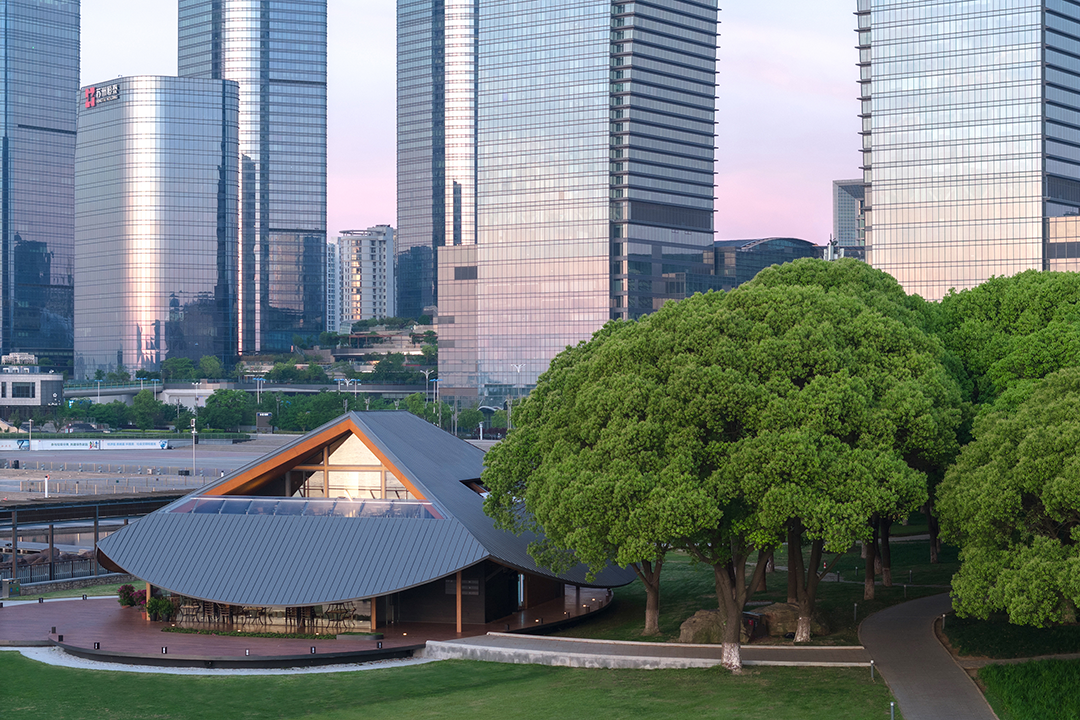
A curtain wall system is a non-structural exterior wall system that is attached to a building’s structural frame. Unlike traditional walls, curtain walls do not carry the building’s structural load. Instead, they function as a protective outer layer that shields the building from wind, rain, and environmental conditions.
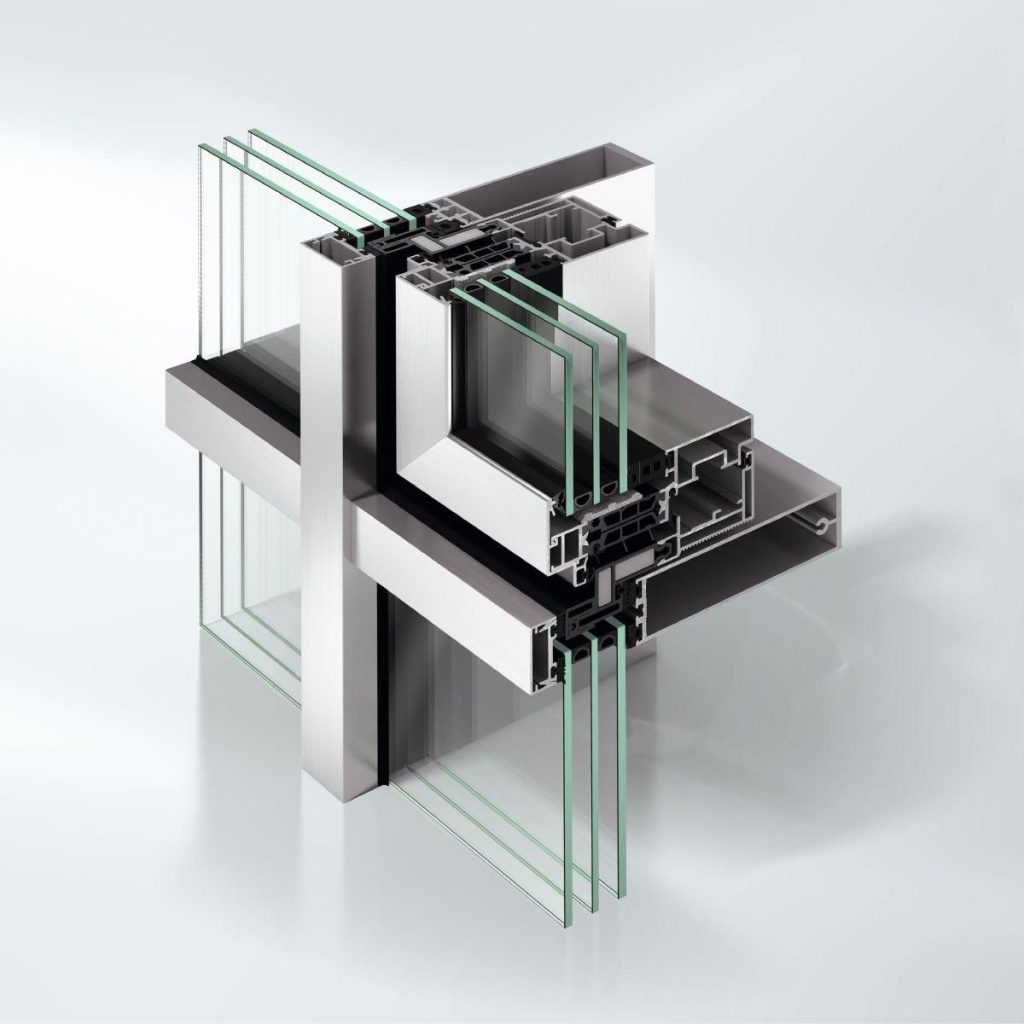
Most modern curtain wall systems use aluminum frames to support large glass panels or other façade materials. Aluminum curtain wall profiles form the skeleton of the façade system, providing strength, stability, and precise structural support.
Curtain wall systems offer several advantages for modern buildings, including improved natural lighting, energy efficiency, and enhanced architectural aesthetics.
Types of Curtain Wall Systems
Different curtain wall systems are used depending on building design, installation requirements, and project scale. Among these, the most common classifications based on installation methods include the following types.
When it comes to curtain walls, how they’re installed makes a big difference. Some systems are built on-site piece by piece, while others arrive at the job ready to go. Each method has its own pros and cons, depending on your project needs.
Stick Curtain Wall System
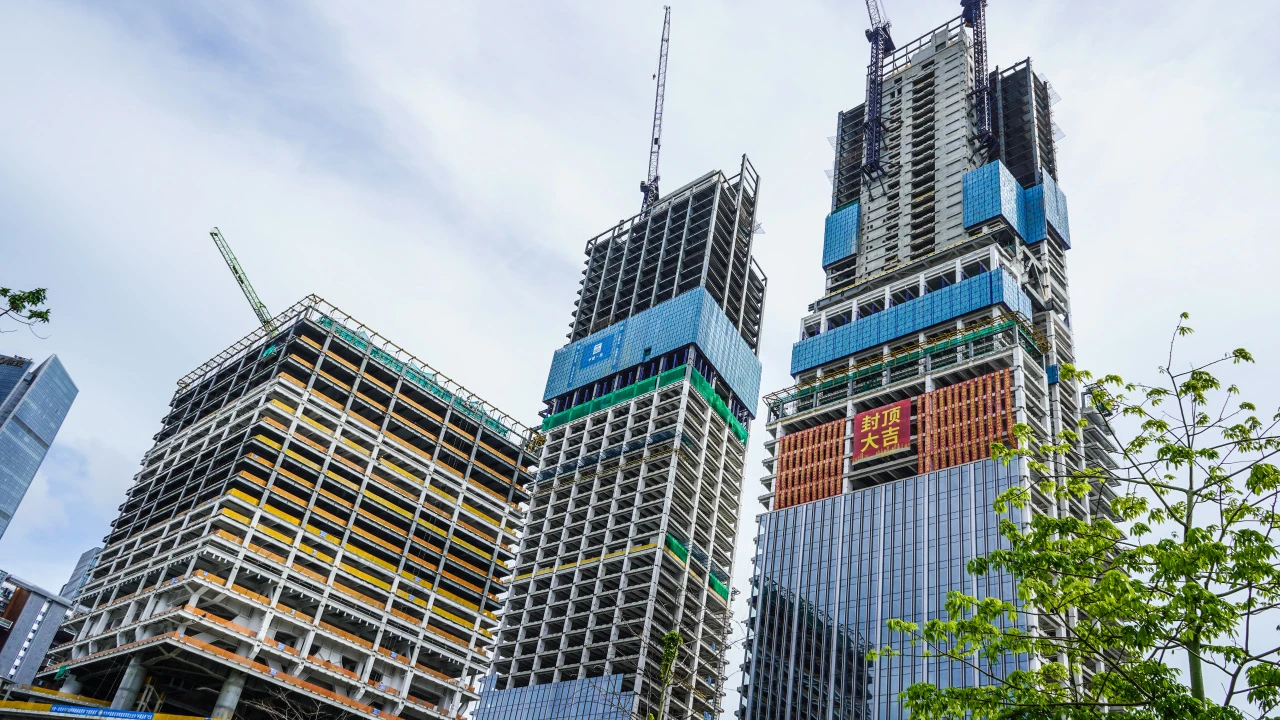
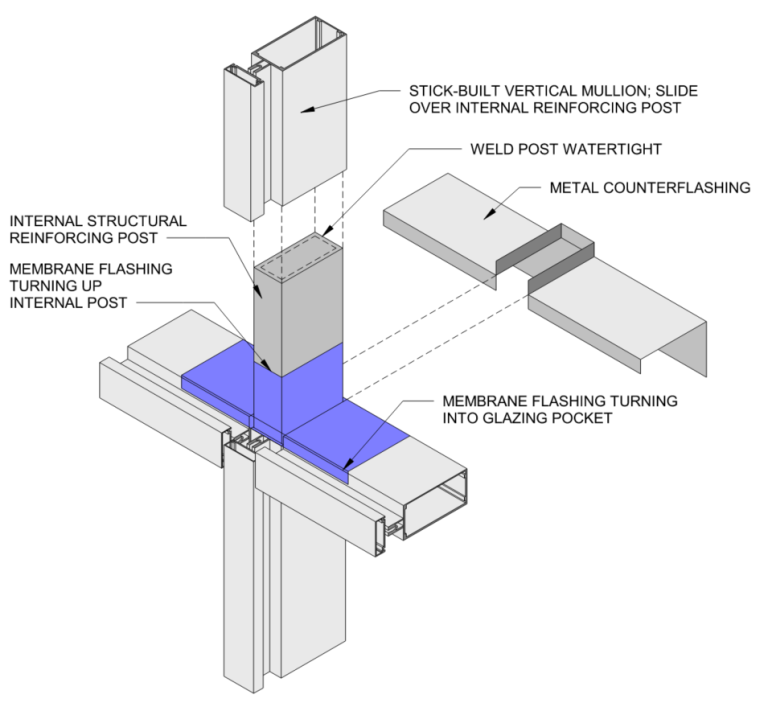
Stick-built systems are like building with LEGO bricks—one piece at a time. All the framing parts, like mullions and glass panels, are brought to the construction site separately and assembled right there.
This method works well for low-rise buildings or designs with unusual shapes. It also gives installers room to make adjustments on-site, which adds flexibility.
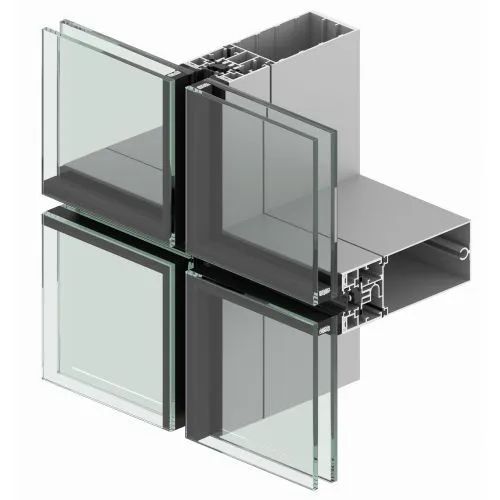
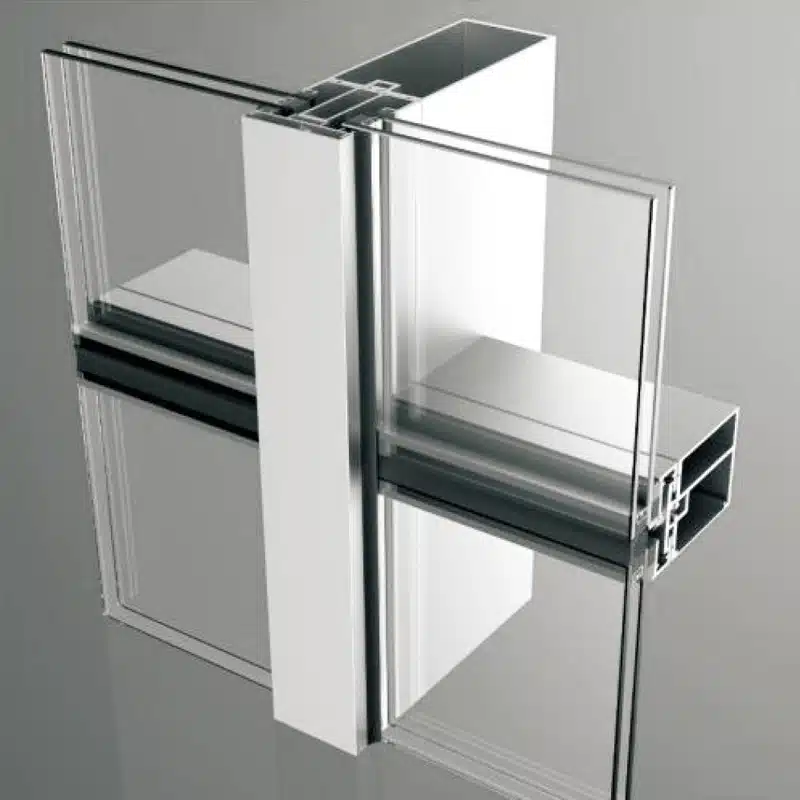
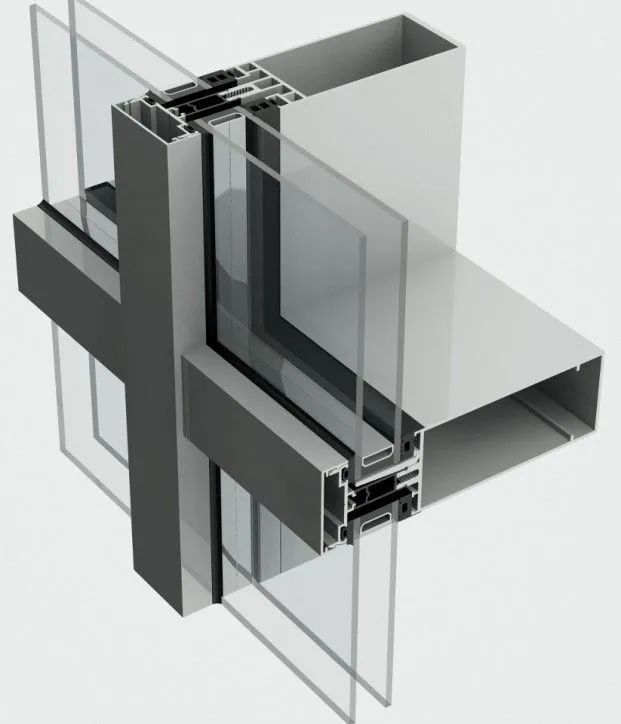
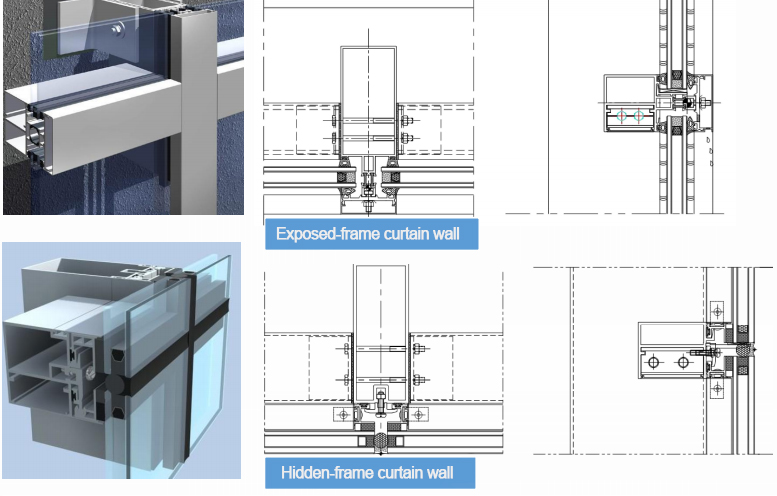
It represents the traditional curtain wall system with the largest production scale and the most mature technology currently available on the market. Based on the external structural form of the panels, it can be further subdivided into:
1.Hidden-frame curtain walls;
2.Semi-hidden-frame curtain walls (a. Horizontal exposed, vertical hidden; b. Horizontal hidden, vertical exposed);
3.Exposed-frame curtain walls.
Advantages of Stick Curtain Walls:
1. Mature construction techniques and low construction difficulty.
2. Lower cost compared to unitized curtain walls.
3. Convenient to dismantle, easy to replace components, and simple to maintain.
Disadvantages of Stick Curtain Walls:
1. On-site construction makes it difficult to avoid human error.
2. The quality of silicone sealant application is susceptible to the effects of rain and temperature fluctuations.
3. Single-stage sealing systems carry a relatively high probability of water leakage.
4. Requires a large amount of on-site space (for fabrication areas, material storage, etc.).
5. Compared to unitized curtain walls, installation is slower and requires a significantly larger on-site labor force.
Unitized Curtain Wall System
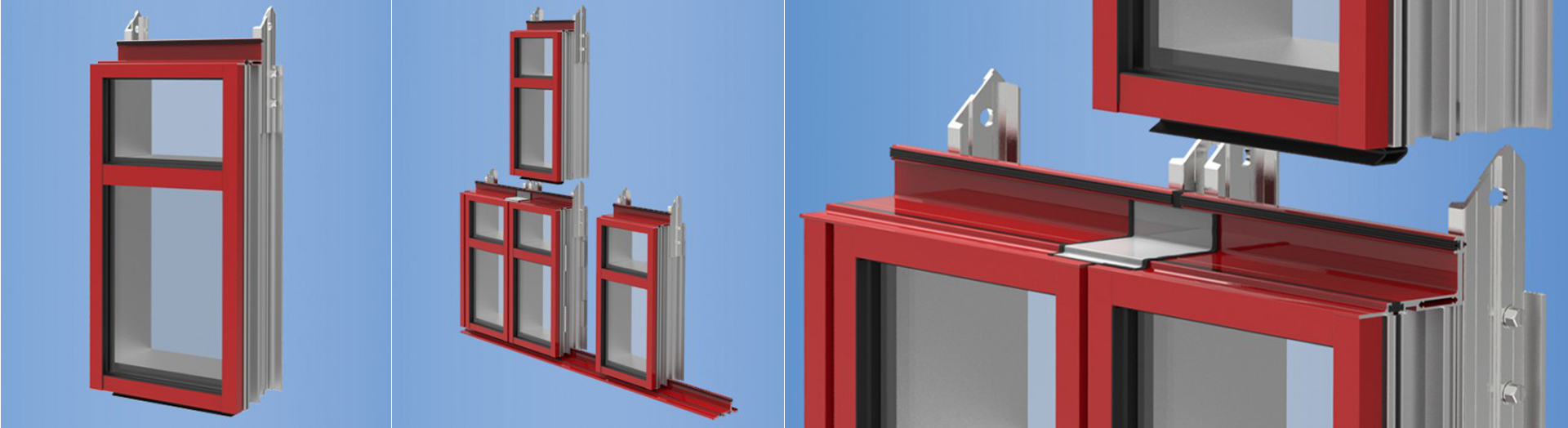
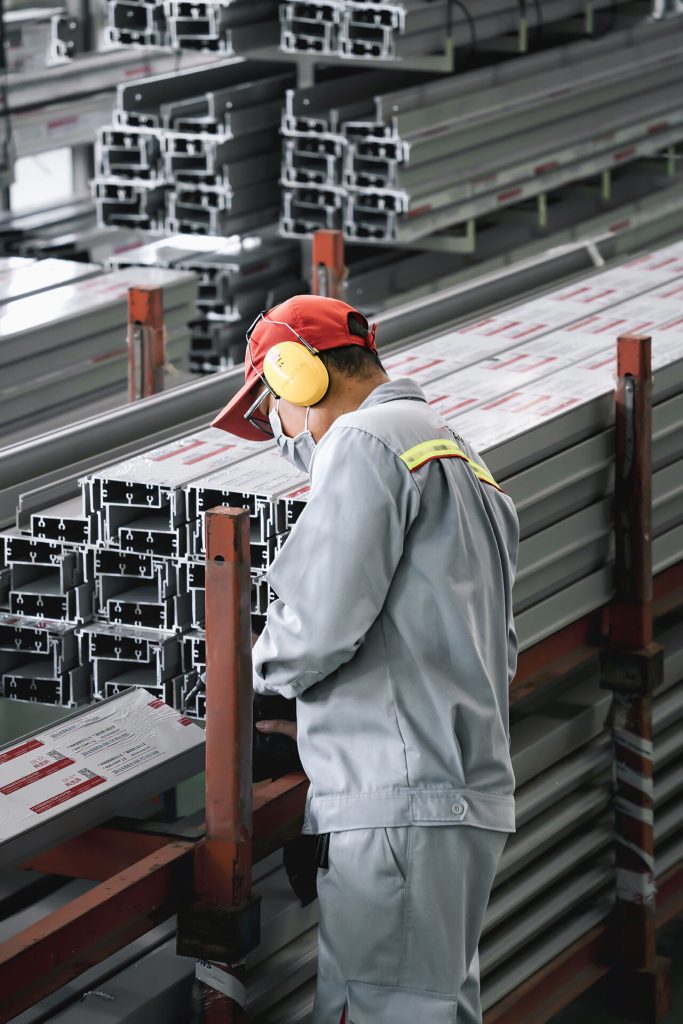
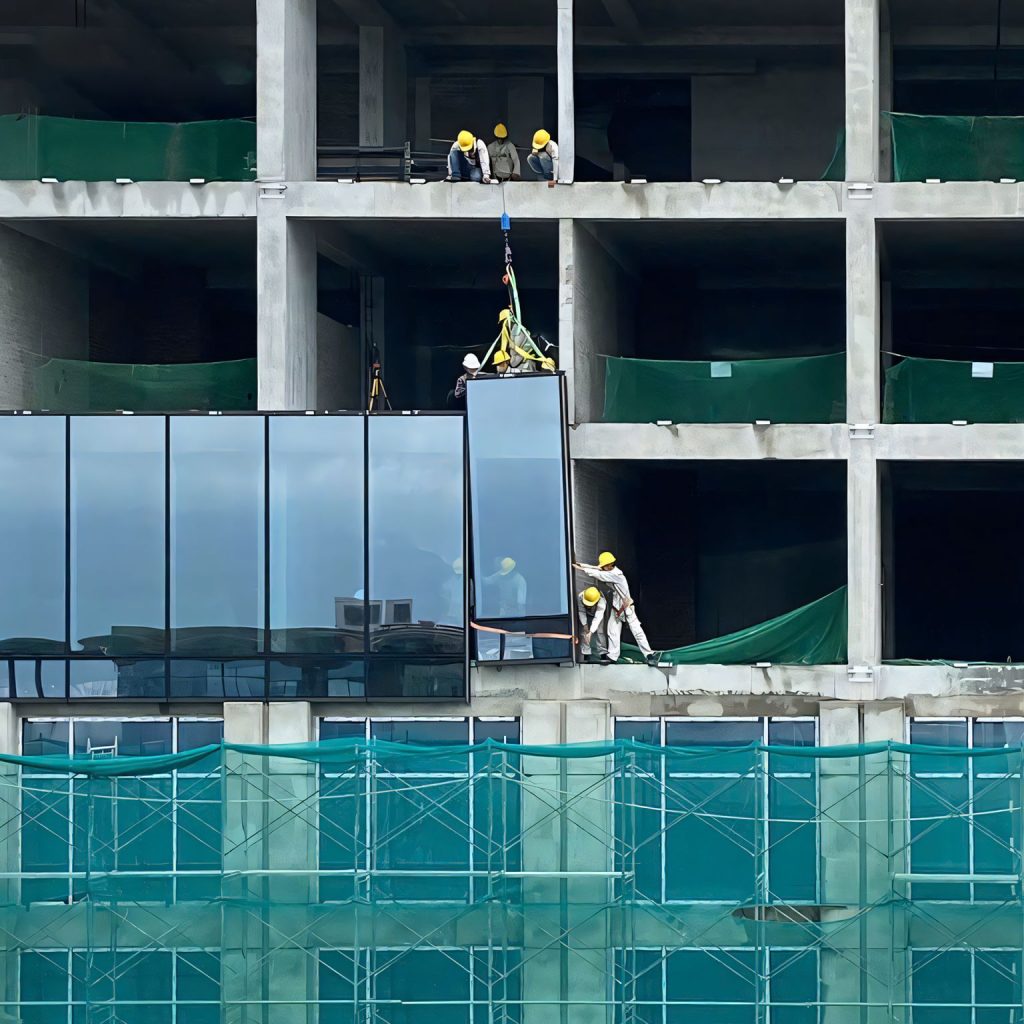
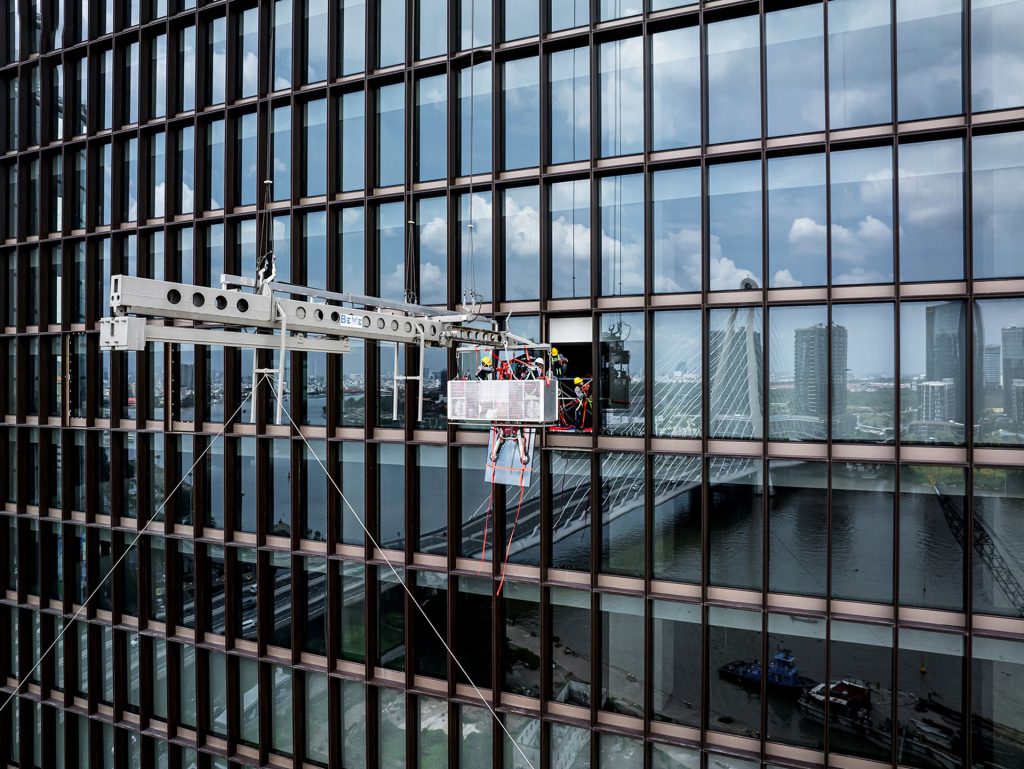
Unitized curtain wall systems consist of large pre-assembled panels manufactured in the factory. These panels are transported to the construction site and installed directly onto the building structure.
Unitized systems are commonly used in high-rise buildings because they allow for faster installation and higher quality control during manufacturing.
Advantages of Unitized Curtain Wall :
1.Faster installation
2.Higher quality control (factory-made)
3.Less work on-site
Disadvantages of Unitized Curtain Wall :
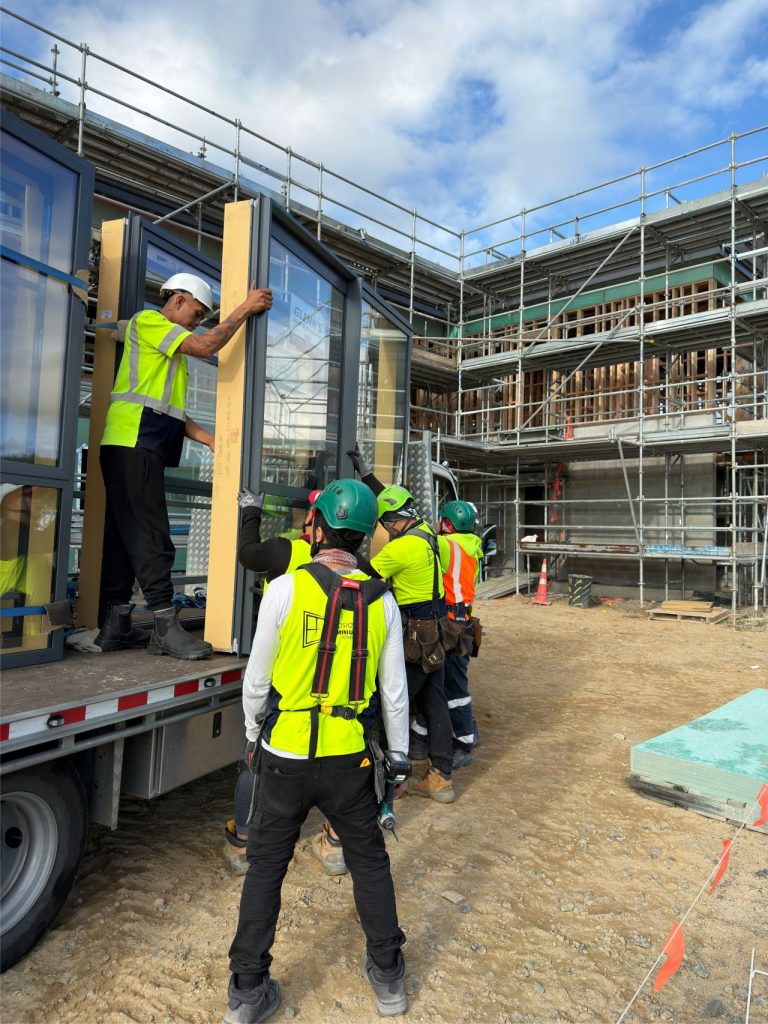
1.Higher shipping and handling costs
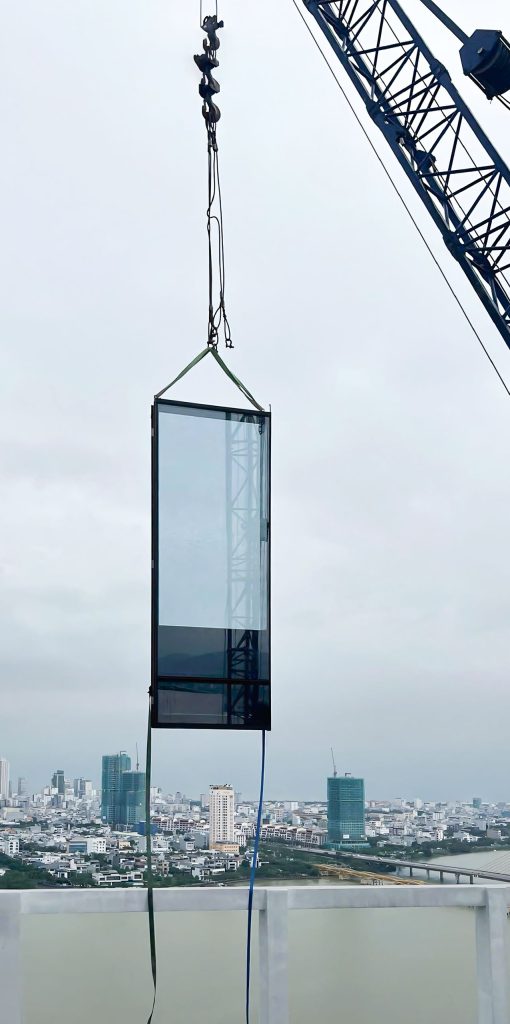
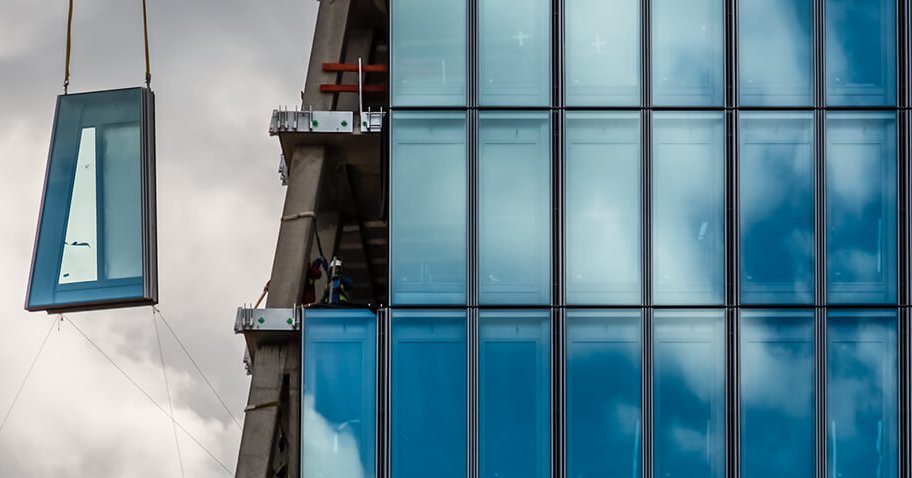
2.Need for cranes or lifts to install large panels
Semi-Unitized Curtain Wall System
Semi-unitized curtain wall systems combine features of both stick and unitized systems. Certain components are prefabricated in the factory, while final assembly is completed on site.
This approach offers a balance between installation flexibility and manufacturing efficiency.
Advantages of Semi-Unitized Curtain Wall :
1.Speeds up installation
2.Keeps design flexibility
3.Reduces labor needs
Disadvantages of Semi-Unitized Curtain Wall :
1.Not as fast as fully unitized
2.Still requires some work on-site
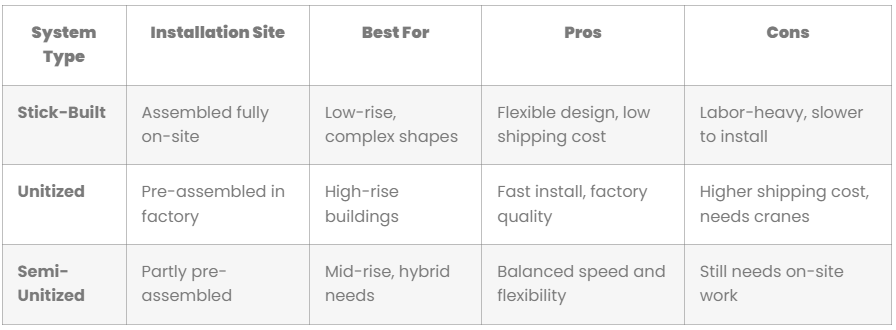
Quick Comparison: Stick-Built Vs Unitized Vs Semi-Unitized
Aluminum Profiles Used in Curtain Wall Systems
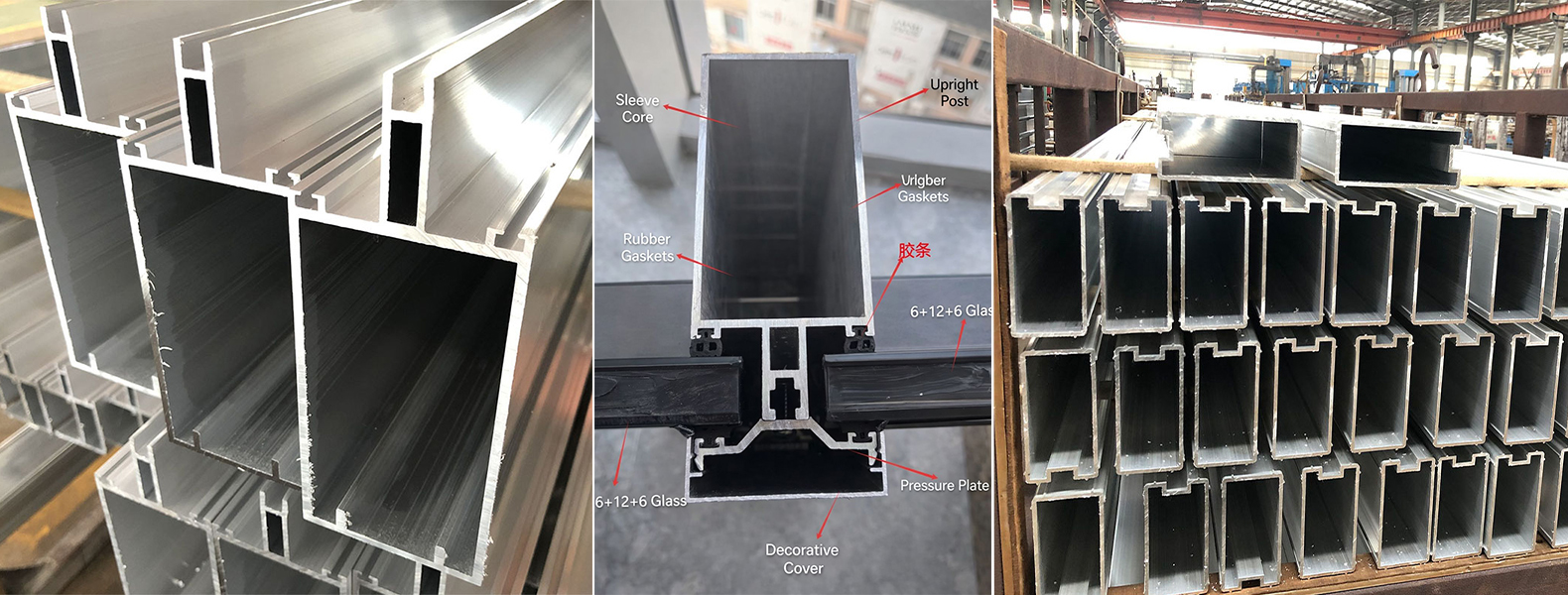
Aluminum extrusion profiles play a critical role in curtain wall structures. They provide the framework that supports glass panels and connects the façade system to the building structure.
Common aluminum profiles used in curtain wall systems include:
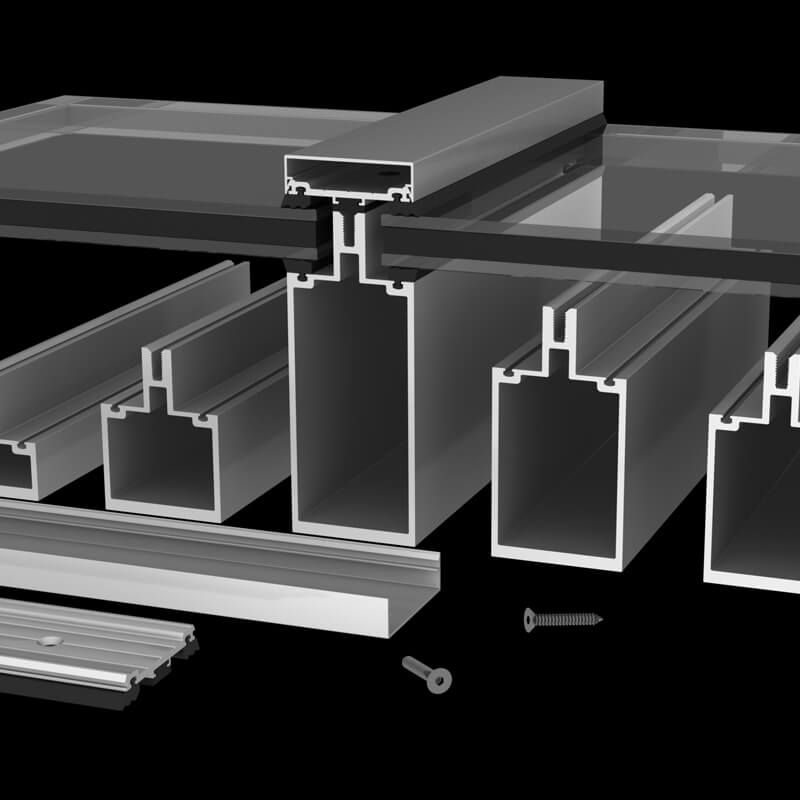
Curtain Wall Mullion Profiles
Mullions are vertical aluminum members that carry the primary structural loads of the curtain wall system. They provide the main support for glass panels and other façade elements.
Curtain Wall Transom Profiles
Transoms are horizontal aluminum components that connect mullions and create the frame structure for glass installation.
Glass Frame Aluminum Profiles
These profiles hold glass panels securely in place while maintaining proper sealing and weather resistance.
Structural Aluminum Extrusion Profiles
Specialized aluminum extrusion profiles are designed to meet structural requirements for large façade systems and high-rise building applications.
With precise extrusion technology and strict dimensional control, our aluminum curtain wall profiles ensure excellent stability and long-term performance.
Surface treatment for Curtain Wall Applications
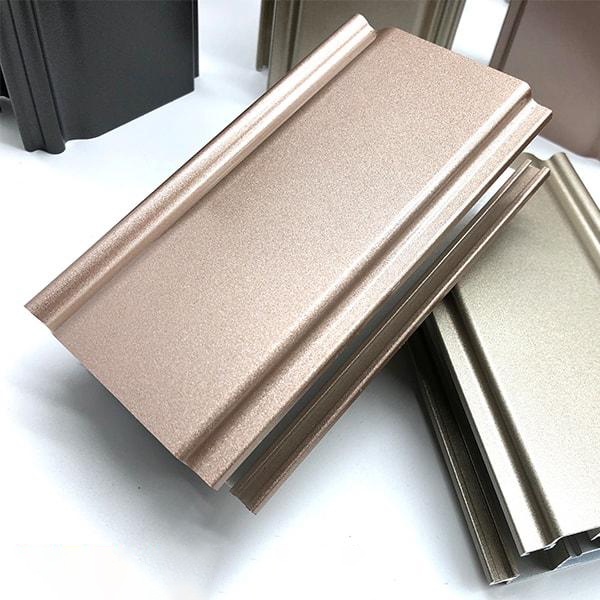
Curtain wall aluminum profiles are exposed to outdoor environments for many years. Therefore, high-quality surface finishing is essential for long-term durability and visual appearance.
We provide several professional surface treatment options suitable for curtain wall systems.
PVDF Coating
PVDF coating offers exceptional weather resistance and long-term color stability. It is widely used in large commercial buildings and high-end architectural projects.
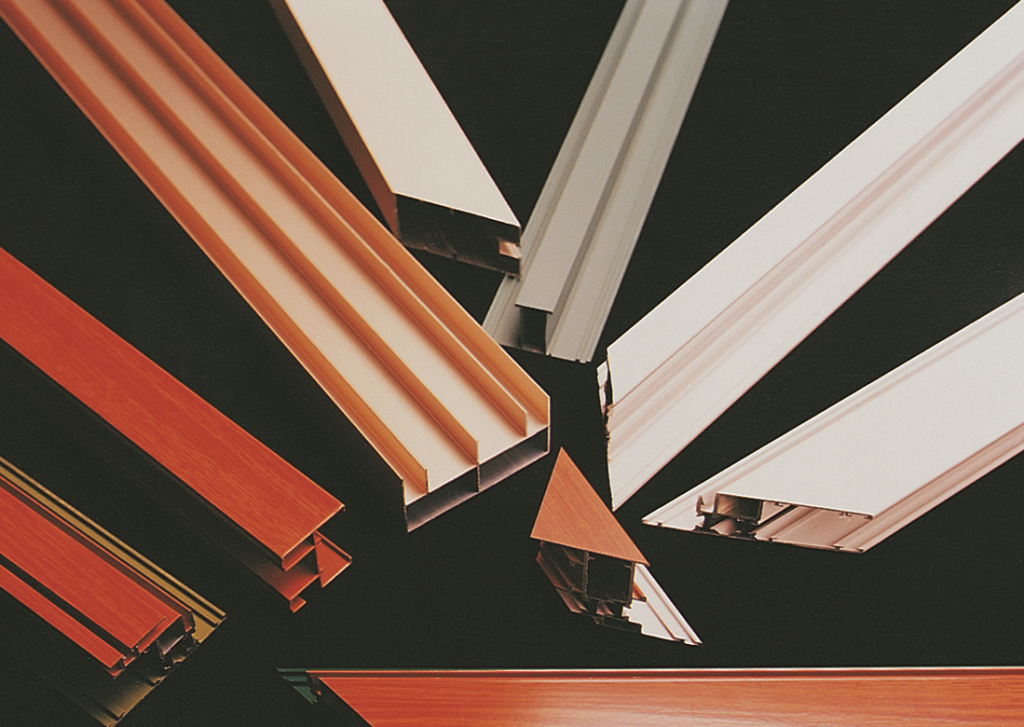
Powder Coating (RAL Colors)
Powder coating provides a wide range of color options and excellent resistance to UV exposure and corrosion. It is commonly used in architectural aluminum systems.
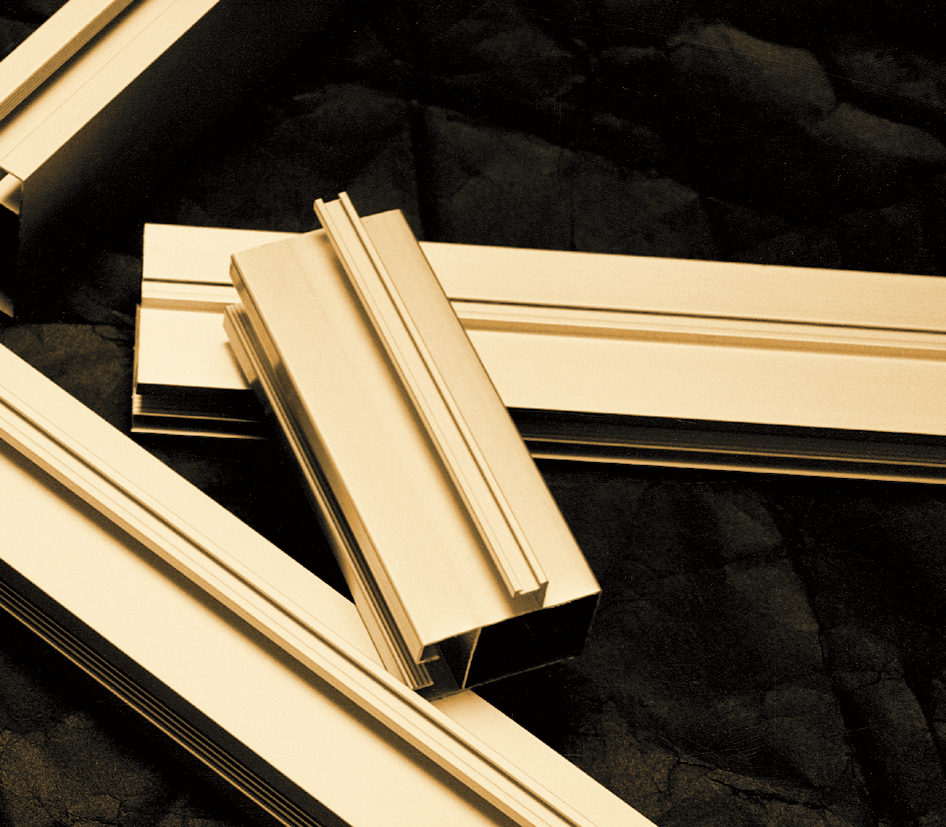
Anodizing and Electrophoresis
Anodized aluminum profiles feature enhanced corrosion resistance and a smooth metallic appearance, making them suitable for modern façade designs.
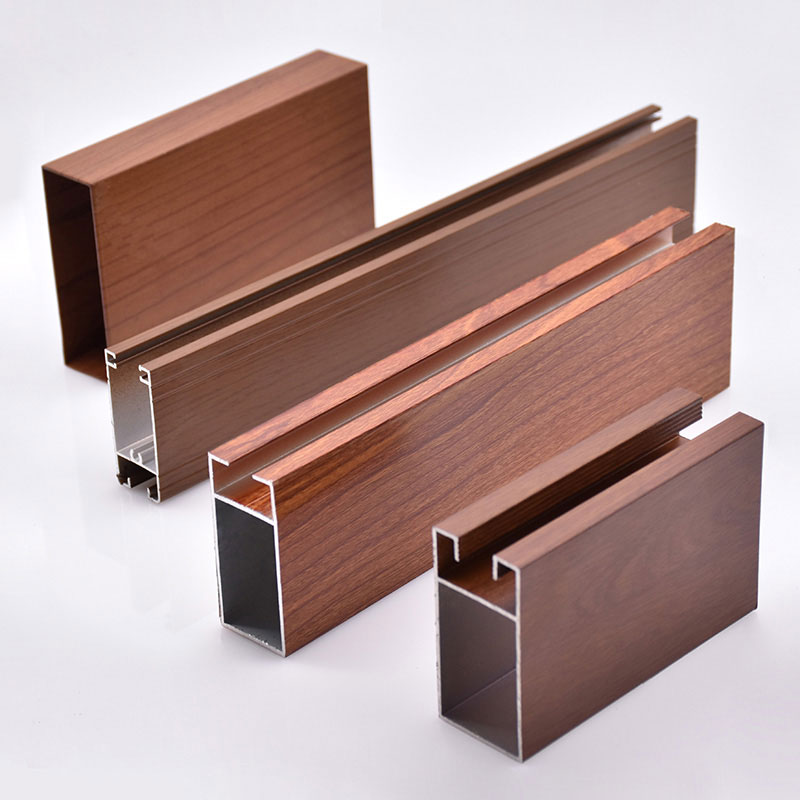
Wood Grain Transfer
Wood grain aluminum finishes combine the aesthetic appearance of wood with the durability of aluminum, often used in decorative architectural applications.
Advantages of Aluminum Curtain Wall Profiles
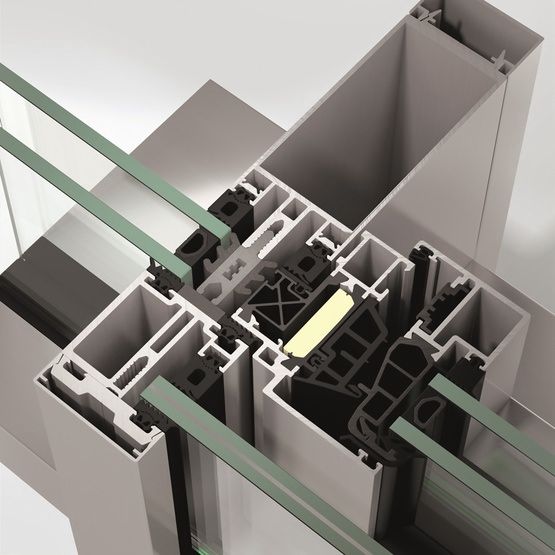
Aluminum extrusion has become the preferred material for curtain wall construction due to its unique advantages.
High Strength with Lightweight Structure
Aluminum provides excellent structural strength while remaining lightweight, making it ideal for large façade systems.
Outstanding Weather Resistance
With proper surface treatment, aluminum curtain wall profiles can withstand harsh weather conditions for decades.
Flexible Architectural Design
Aluminum extrusion allows for complex profile shapes and customized façade systems that support innovative building designs.
Excellent Corrosion Resistance
Aluminum naturally resists corrosion, ensuring long service life in various climates.
Low Maintenance Requirements
Curtain wall aluminum systems require minimal maintenance while maintaining their appearance and performance over time.
Project Applications
Our aluminum profiles have been widely used in a variety of building projects across different regions and industries.
Welcome to Glory Aluminum
Custom Aluminum Extrusion for Curtain Wall Systems
In addition to standard architectural profiles, we provide custom aluminum extrusion solutions tailored to curtain wall projects.
Our engineering team can support:
Whether for stick curtain wall systems or large unitized façade panels, our aluminum extrusion capabilities allow us to support a wide range of architectural projects.
Contact Us for Curtain Wall Aluminum Profile Solutions
If you are looking for reliable aluminum profiles for curtain wall systems, our team is ready to support your project.
With extensive experience in aluminum extrusion and architectural applications, we provide high-quality aluminum curtain wall profiles for building façade manufacturers, contractors, and engineering companies worldwide.
Contact us today to discuss your curtain wall project and receive a customized aluminum extrusion solution.
FAQs for Curtain Wall System
What’s the most energy-efficient type?
Double skin and photovoltaic (PV) curtain walls offer the best energy performance by improving insulation and reducing heat gain.
Are curtain walls load-bearing?
No, curtain walls are non-structural. They hang from the building frame and support only their own weight and environmental loads like wind.
Can curtain walls be used in homes?
Yes, curtain walls can be used in high-end homes or modern villas, especially when large glass facades or natural light are desired.
How long does each system typically last?
With proper maintenance, most curtain wall systems can last 30–50 years, depending on materials and environmental exposure.
Which curtain wall types support solar panels?
Photovoltaic (PV) curtain walls are designed to integrate solar technology and help generate electricity from sunlight.